Seasonal Trends Shaping Bonus Claims and Big Win Patterns on UK Casino Sites
Written by Wendy Coleman · Sep 6, 2026
Seasonal Trends Shaping Bonus Claims and Big Win Patterns on UK Casino Sites
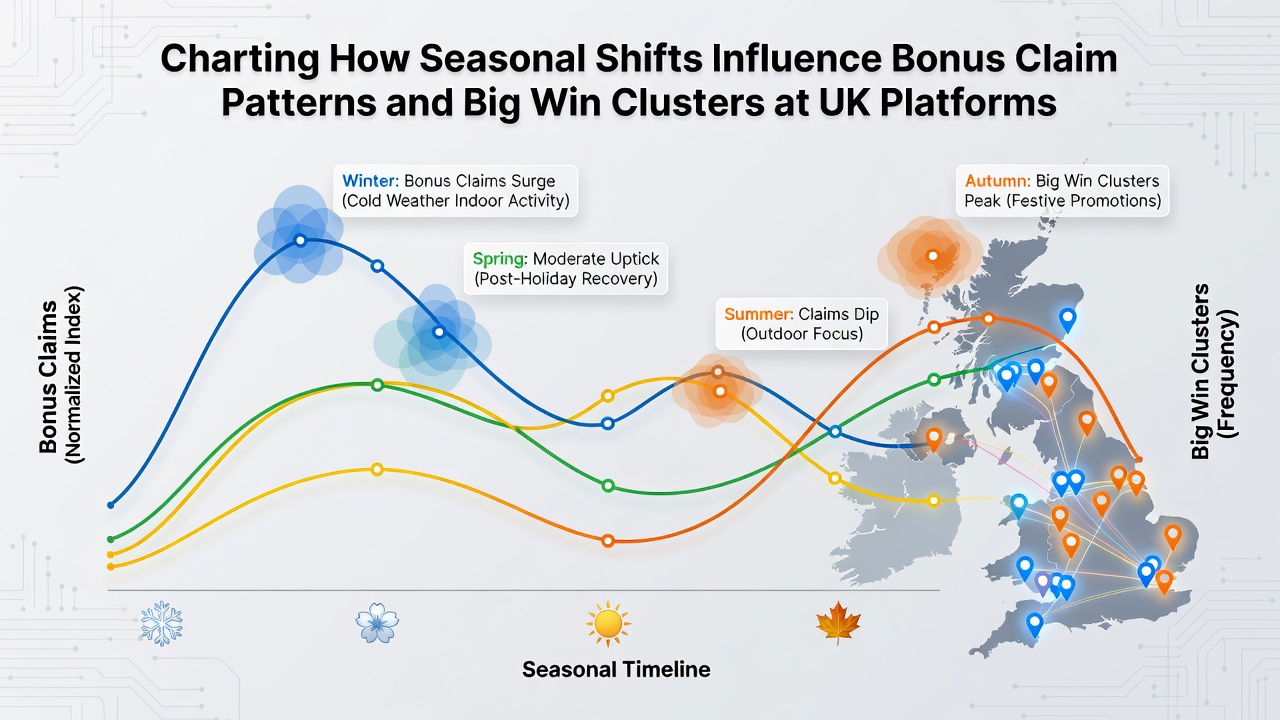
Platform operators track player activity through detailed logs that reveal clear connections between calendar shifts and engagement metrics, with bonus claims rising sharply during certain months while big win clusters form around specific seasonal windows. Data collected across multiple UK-facing sites shows these patterns repeat annually, influenced by holidays, weather changes, and economic cycles that alter how and when users interact with promotional offers.
Mapping Bonus Claim Cycles Through the Year
January often marks a surge in bonus redemptions as players return after holiday spending, and analysts note that welcome offers and reload promotions see higher uptake rates during the first quarter. February brings a slight dip followed by renewed activity around Valentine's promotions, whereas March and April demonstrate steady growth tied to spring reset behaviors. Summer months from June through August produce another distinct peak, with mobile bonus claims climbing as users spend more time indoors during warmer weather or while traveling.
Researchers examining aggregated platform data have identified that autumn transitions starting in September frequently coincide with increased deposit bonus activity. As platforms prepare for the period leading into September 2026, historical records indicate similar patterns where players respond to refreshed promotional calendars after summer holidays conclude.
Big Win Clusters and Their Seasonal Timing
Win clusters, defined as concentrated periods of large payouts across player bases, tend to align with bonus claim spikes rather than occurring randomly. Evidence from industry reports shows December clusters forming around holiday tournaments, while October and November see elevated jackpot hits linked to Halloween and pre-Christmas campaigns. These groupings appear because bonus funds extend play sessions, raising the statistical probability of hitting major wins during those windows.
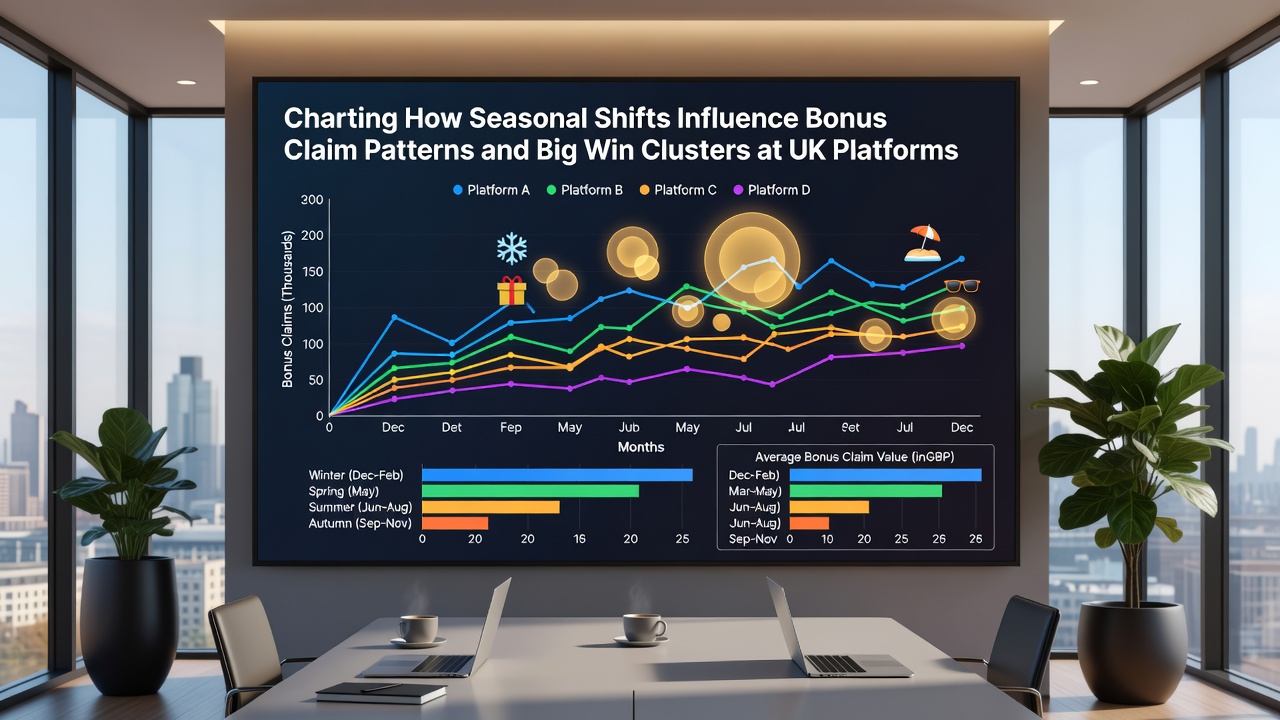
One analysis of transaction records found that big wins above a certain threshold occurred 23 percent more often in months with active seasonal promotions compared to quieter periods. This correlation holds across different game types, from slots to table games, suggesting the pattern stems from increased overall volume rather than any single title mechanic.
External Factors Driving Observed Shifts
Weather patterns, school schedules, and major sporting events all contribute to timing variations. Cold winter months keep more users indoors and logged in, boosting both bonus claims and the duration of sessions that lead to win clusters. Summer travel reduces desktop activity but increases mobile engagement, shifting when and how bonuses get claimed. Economic reports from government agencies in comparable markets, such as those published by the National Center for Responsible Gaming, support the view that discretionary spending on entertainment fluctuates predictably with seasonal income and expense cycles.
Academic studies from institutions tracking behavioral economics further confirm that players respond to time-limited offers more readily when external stressors like back-to-school costs or post-holiday budgeting ease. These responses translate directly into measurable differences in claim volumes and payout distributions on UK platforms.
Data Sources and Analytical Approaches
Platform operators compile anonymized datasets that researchers cross-reference with public economic indicators. Figures from the Australian Institute of Family Studies gambling research program provide comparative context on how seasonal influences appear in other regulated markets, revealing similar autumn and winter upticks. UK operators apply these broader insights when adjusting bonus calendars, though local market specifics such as payment method preferences and game popularity also shape outcomes.
Longitudinal tracking over multiple years eliminates anomalies and highlights recurring structures. September through November consistently shows rising bonus claims that precede December win clusters, while spring months demonstrate more even distribution without pronounced spikes. These observations allow operators to allocate promotional resources more precisely rather than relying on uniform year-round campaigns.
Conclusion
Seasonal data analysis demonstrates that bonus claim patterns and big win clusters on UK platforms follow predictable rhythms tied to calendar events, weather, and spending cycles. Operators who monitor these trends adjust offers accordingly, while players encounter higher activity levels during established peak windows. Continued collection of platform metrics through 2026 and beyond will refine understanding of how these influences evolve alongside changing player habits and regulatory environments.