Gaming Operators Navigate Reward System Overhauls Amid Platform Shifts
Written by Wendy Coleman · Nov 15, 2026
Gaming Operators Navigate Reward System Overhauls Amid Platform Shifts
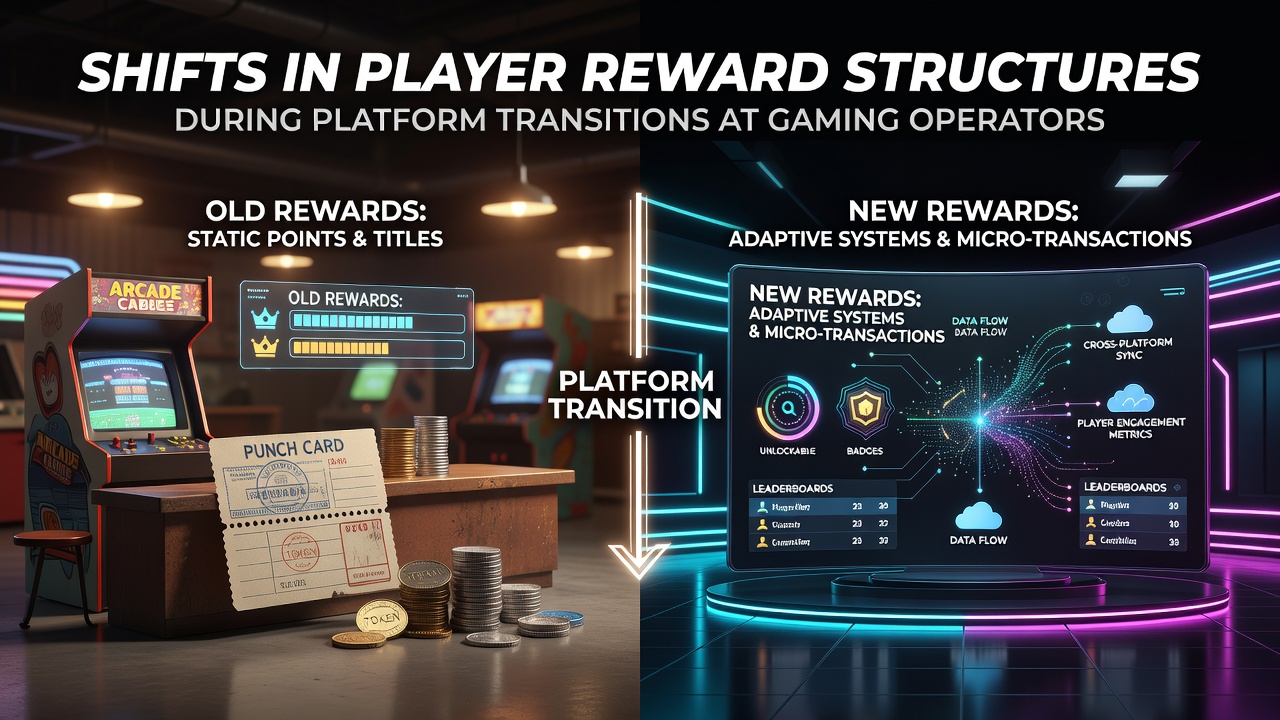
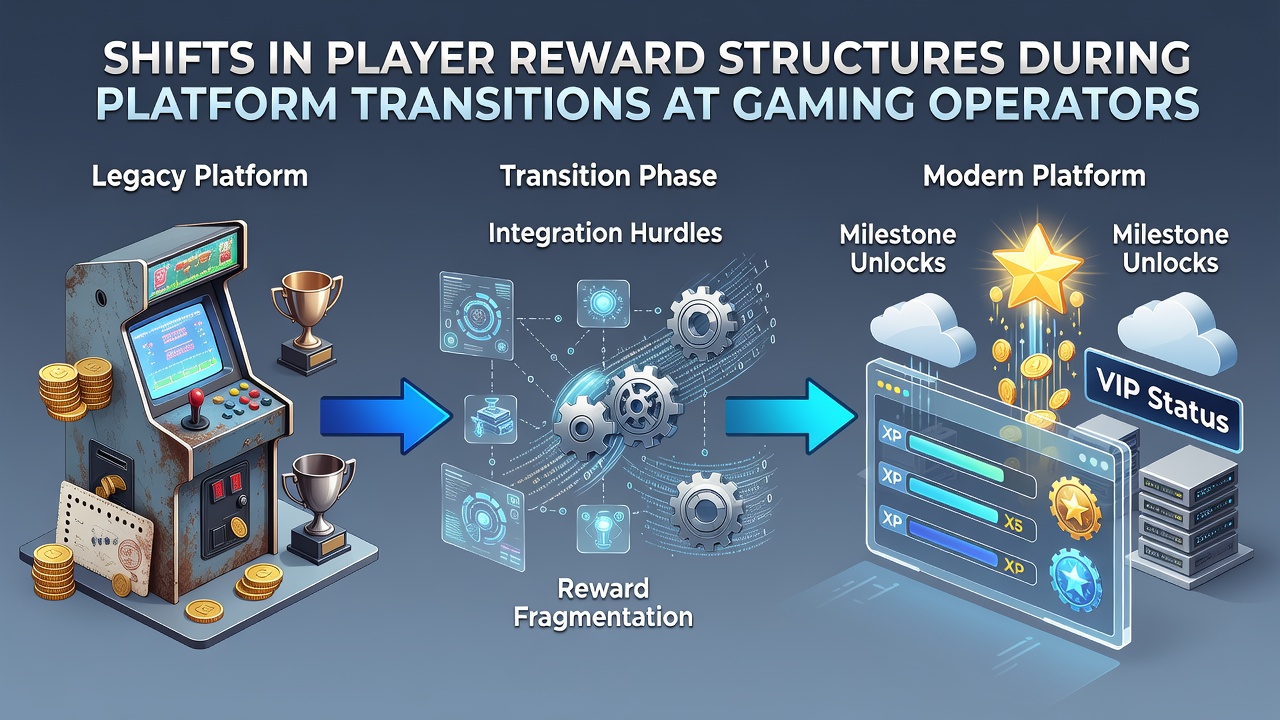
Platform transitions at gaming operators frequently trigger recalibrations in player reward structures, as new software environments alter how loyalty points accrue, bonus eligibility criteria update, and tiered incentives recalibrate to match fresh technical capabilities. Operators often migrate systems to integrate advanced analytics or comply with evolving technical standards, and these moves reshape everything from welcome packages to ongoing retention mechanics. Data from industry analyses shows that reward programs tied to legacy platforms sometimes carry over incomplete histories during migration, which forces adjustments in point valuation and redemption options.
Core Drivers Behind Platform Changes
Multiple factors push operators toward new platforms, including demands for better data security protocols, integration with mobile-first architectures, and alignment with cross-border regulatory requirements that vary by jurisdiction. The American Gaming Association has documented how many operators in North American markets complete migrations to support real-time personalization engines, which in turn modify how rewards distribute based on player behavior patterns. Transitions also address scalability issues that older systems cannot handle when traffic volumes spike during peak periods.
Regulatory bodies such as the Alcohol and Gaming Commission of Ontario track these shifts closely because new platforms must demonstrate compliance with responsible gaming tools before full rollout. When operators switch providers, reward structures tied to deposit matching or free spin allocations often receive updates to reflect the capabilities of the incoming technology stack. Observers note that seamless data migration remains a persistent challenge, since incomplete transfers can reset player progress toward loyalty milestones.
Adjustments to Loyalty and Incentive Models
Loyalty programs undergo the most visible transformations during these transitions because point earning rates and tier thresholds frequently get recalibrated to fit new algorithms. Research indicates that operators leverage enhanced tracking features post-migration to introduce dynamic rewards that respond to session length or game variety rather than static multipliers applied across the board. This approach allows for segmented offers that target high-frequency players differently from occasional participants.
Bonus mechanics also evolve, with welcome packages sometimes shifting from fixed free spin quantities to variable amounts determined by initial deposit size and verification status. Industry reports reveal that cashback percentages may increase or decrease depending on whether the new platform supports automated loss calculations at higher frequencies. Those who study these patterns find that VIP club benefits often expand to include personalized concierge services once the infrastructure supports real-time customer data aggregation.
Regional Regulatory Influences on Reward Evolution
Authorities outside traditional UK frameworks exert significant influence, with the Nevada Gaming Control Board requiring operators to maintain audit trails for all reward modifications that occur during system upgrades. Similar oversight appears in Australian jurisdictions where state-level commissions mandate transparency around how loyalty points convert between platforms. These rules encourage operators to publish updated terms ahead of migrations so players understand revised earning schedules.
European operators face additional layers from bodies such as the Malta Gaming Authority, which emphasizes fair redistribution of rewards when legacy data merges with new databases. Studies from academic sources affiliated with the University of Nevada, Las Vegas have examined how these regulatory pressures lead to more granular reward tiers that differentiate between skill-based and chance-based games. As November 2026 approaches, several operators continue to finalize platform upgrades initiated earlier in the decade, with reward recalibrations forming a central component of compliance documentation.
Case Examples From Recent Transitions
One documented instance involved a multi-state operator that transitioned its entire backend during 2025, resulting in loyalty points receiving a temporary multiplier to compensate for any gaps created during data synchronization. Another operator in the Canadian market adjusted its deposit bonus structure to incorporate progressive jackpots that only became feasible after the new platform went live. These examples illustrate how technical upgrades directly inform the scope and delivery of player incentives.
Trade publications such as those from EGR have covered instances where operators introduced hybrid reward models combining traditional points with cryptocurrency-based options once the platform supported blockchain integration. Such changes often occur gradually, with beta testing phases allowing small player cohorts to experience revised structures before wider release.
Conclusion
Platform transitions continue to serve as catalysts for reward structure refinements across the gaming sector, driven by technical necessities, regulatory mandates, and opportunities for enhanced player segmentation. Data from multiple jurisdictions demonstrates that successful migrations preserve core incentive value while introducing flexibility that older systems could not accommodate. Operators that prioritize transparent communication around these changes tend to maintain higher retention rates during the adjustment period, according to aggregated industry metrics. The landscape remains dynamic as more entities prepare for or complete similar shifts through late 2026 and beyond.